Computer and Hardware Graphics for Modern Branding
First Impressions: A Tech-Driven Visual Language
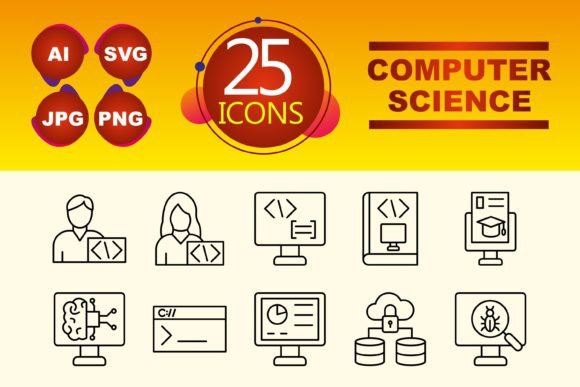
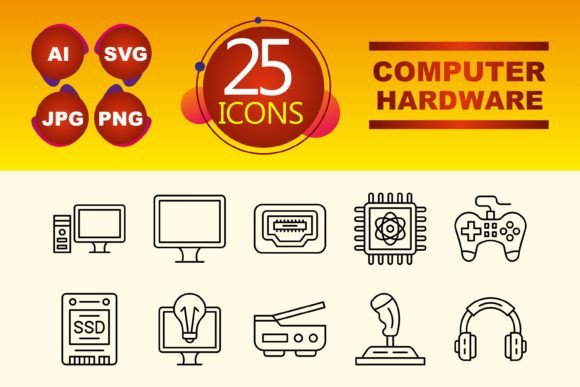
Upon first glance, Computer and Hardware delivers a clean, modern aesthetic that immediately suggests a tech-savvy, forward-thinking brand. The icons are crisp, well-proportioned, and convey a sense of precision and reliability. This set feels ideal for businesses that want to communicate innovation, efficiency, and digital integration in their branding. Whether it's a local tech startup, a boutique selling smart home devices, or a creative agency offering digital solutions, this graphic design asset has the potential to align with a variety of brand personalities.
Design Asset Versatility: From Packaging to Social Media
Computer and Hardware is a versatile graphic design asset that can be applied across multiple areas of small business branding. Its use extends beyond just product labels and packaging design. For instance, these icons can enhance logo design by adding a subtle tech element to a brand’s visual identity. They can also serve as decorative accents on business cards, website banners, and social media graphics, helping to create a cohesive brand presence across all touchpoints.
When it comes to packaging design, these icons can add a unique flair to product labels, especially for items like smart gadgets, tech accessories, or even food products with a modern twist. For a handmade soap business or a boutique store, integrating Computer and Hardware into hang tags or thank-you cards can help reinforce a theme of innovation and craftsmanship.
Supporting Business Presentation: Building Trust and Recognition
Using Computer and Hardware in a local business context can significantly improve the overall presentation of a brand. These icons contribute to stronger first impressions by creating a visually engaging and professional look. They also aid in product recognition, making it easier for customers to identify your offerings at a glance.
From a brand identity perspective, consistent use of these icons helps establish a clear visual hierarchy. This is particularly important in marketing visuals such as flyers, posters, and promotional ads, where clarity and impact are key. Additionally, the asset supports improved customer trust by reinforcing a sense of professionalism and attention to detail.
Where It Works Best: Strategic Design Applications
Computer and Hardware excels in environments where a modern, tech-forward vibe is desired. It works best in areas like product labels, packaging accents, hero graphics, and promotional banners. These icons are especially effective when used as part of product mockups or printable designs, helping to visualize how a product will look in real-world scenarios.
For a seasonal campaign, these icons can be integrated into social media graphics or web design elements to create a cohesive and eye-catching visual strategy. They also lend themselves well to editorial design projects, such as infographics or presentations that require a clean, functional layout.
Where to Use with Caution: Avoiding Overdesign
While Computer and Hardware is a powerful design asset, it should be used with care in certain contexts. For example, it may not be suitable for formal corporate branding that requires a more traditional or minimalistic approach. Similarly, very small labels or crowded product packaging might benefit from simpler, less detailed graphics to avoid overwhelming the viewer.
It’s also important to consider low-contrast backgrounds and luxury minimalist brands, where the decoration shouldn’t compete with important text. In these cases, using Computer and Hardware as an accent rather than a focal point can help maintain balance and readability.
Practical Designer Notes: Ensuring Commercial Readiness
As a brand designer, I recommend testing Computer and Hardware on real packaging mockups to see how it performs in different contexts. Checking black and white usage is essential to ensure the icons remain legible and impactful in various formats. Previewing the asset on small labels helps determine its scalability and visibility in real-world applications.
Before finalizing any design, compare Computer and Hardware with competitor packaging to ensure uniqueness and market relevance. Reviewing PNG transparency and SVG editability is also crucial for flexibility in both digital and print formats. Testing the icons beside different font styles—such as serif, sans serif, script, and handwritten fonts—helps determine how well they integrate with a brand’s typography.
Finally, confirm that you have a commercial license before using the asset for client work, business branding, or physical product sales. This ensures compliance and protects both the designer and the client in the long run.