Seasonal Graphics: A Visual Boost for Content Creators
First Impressions of Seasonal Icons
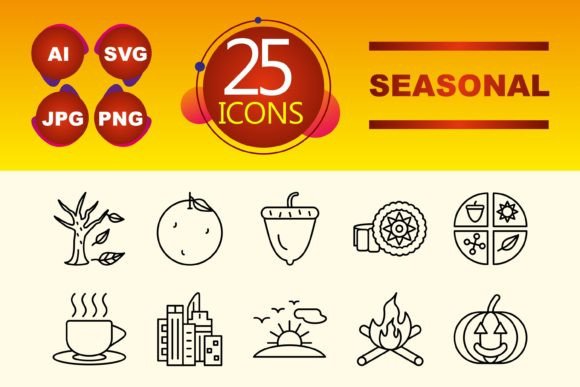
When I first opened the Seasonal graphic design asset, I was immediately drawn to its clean and modern aesthetic. The icons feel fresh and approachable, with a subtle yet effective seasonal theme that adds a layer of context without overwhelming the viewer. This set is perfect for those looking to infuse their content with a sense of time and relevance, making it ideal for blogs, digital guides, and editorial layouts that aim to connect with readers on a more personal level.
Visual Mood and Editorial Niche
The Seasonal icons create a mood that's both inviting and professional. They lean towards a lifestyle-focused, artistic, and decorative style, which makes them well-suited for content niches like wellness, travel, food, and seasonal marketing. Whether you're creating blog graphics or downloadable resources, these icons can help shape a cohesive visual identity that feels warm and relatable.
Real-World Publishing Use Cases
- Blog Featured Images: Use Seasonal icons to add visual interest to your blog headers and featured images. They work especially well in articles about holidays, festivals, or seasonal trends.
- Pinterest Pins: These icons are a great addition to Pinterest graphics, helping to make your pins stand out with a touch of seasonality and creativity.
- Website Banners: Incorporate Seasonal into website banners or hero sections to reinforce brand identity and guide user attention effectively.
- Newsletter Headers: Add a seasonal flair to your newsletter headers with these icons, enhancing the overall look and feel of your email campaigns.
- Canva Templates: These icons are easily adaptable to Canva templates, making them a versatile choice for social media graphics and digital products.
- Lead Magnets and Digital Guides: Include Seasonal icons in downloadable resources like worksheets, checklists, and digital guides to enhance their visual appeal and usability.
- Social Media Previews: Use Seasonal icons in social media previews to catch the eye of your audience and improve click-through rates.
How Seasonal Supports Content Performance
Using Seasonal icons can significantly impact content performance by creating a stronger first impression and improving visual hierarchy. These icons help guide the reader's eye through your content, making it easier to digest and more engaging. Additionally, they contribute to better click-through potential, as they add a layer of visual interest that can encourage users to explore further.
Consistent use of Seasonal icons also helps build brand identity, reinforcing your visual system across all content types. This consistency improves reader trust and enhances category recognition, making your content more memorable and shareable.
Where Seasonal Works Best
- Hero Images: Seasonal icons are excellent for hero images, where they can draw attention and set the tone for the content below.
- Article Thumbnails: Use these icons to create visually appealing article thumbnails that stand out in search results and on social media.
- Pinterest Pins: As mentioned earlier, these icons are a natural fit for Pinterest visuals, adding a seasonal element that resonates with users.
- Editorial Accents: Add subtle visual accents to your editorial layouts using Seasonal icons to break up text and enhance readability.
- Content Upgrades: These icons can be used in content upgrades such as printable designs, worksheets, and digital guides to make them more visually engaging.
- Category Visuals: Use Seasonal icons to represent different categories on your website or blog, helping users navigate and find relevant content more easily.
Where to Use Seasonal Carefully
While Seasonal icons are incredibly versatile, there are some situations where they may not be the best fit. For instance, they might not work well on small mobile thumbnails where clarity is crucial. Similarly, they could be less effective in text-heavy blog images or on low-contrast backgrounds where visibility is an issue.
Additionally, in serious professional niches or corporate content, the playful nature of Seasonal icons might not align with the desired tone. It’s important to consider the overall visual system of your website and ensure that Seasonal complements rather than clashes with your existing design elements.
Publisher Notes for Using Seasonal
Before integrating Seasonal into your publishing workflow, take a few key steps to ensure optimal performance. Test the icons on both desktop and mobile screens to confirm they look good across all devices. Preview them within a real blog layout to see how they interact with your content and design system.
Check contrast and readability, especially when using them against different background colors. Try placing them beside various font styles—serif, sans serif, script, and display—to see how they complement your typography. Also, review file size for web performance and compress images properly to maintain fast load times.
Finally, confirm that you have a commercial license before using Seasonal on monetized websites, affiliate pages, or paid content products. This ensures that you’re using the design asset responsibly and in compliance with licensing terms.